

MEET
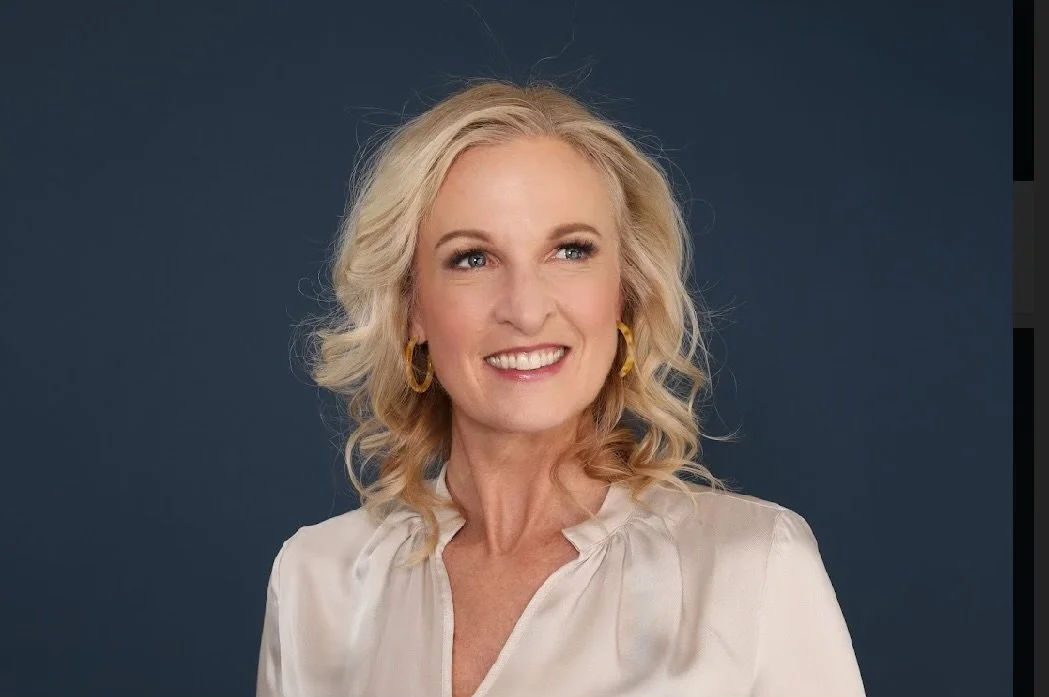
Jennifer Brown
Inclusive Leadership Expert, Bestselling Author & Founder of Jennifer Brown Speaks
Business & Management

ABOUT JENNIFER BROWN
Jennifer Brown is a bestselling author, global speaker, entrepreneur, and leadership strategist advising organizations on culture, talent, and transformation in times of accelerating change. Over the past two decades, she has partnered with leading enterprises—including Google, LinkedIn, IBM, and Toyota—as well as top universities such as Columbia, Kellogg, and Vanderbilt.
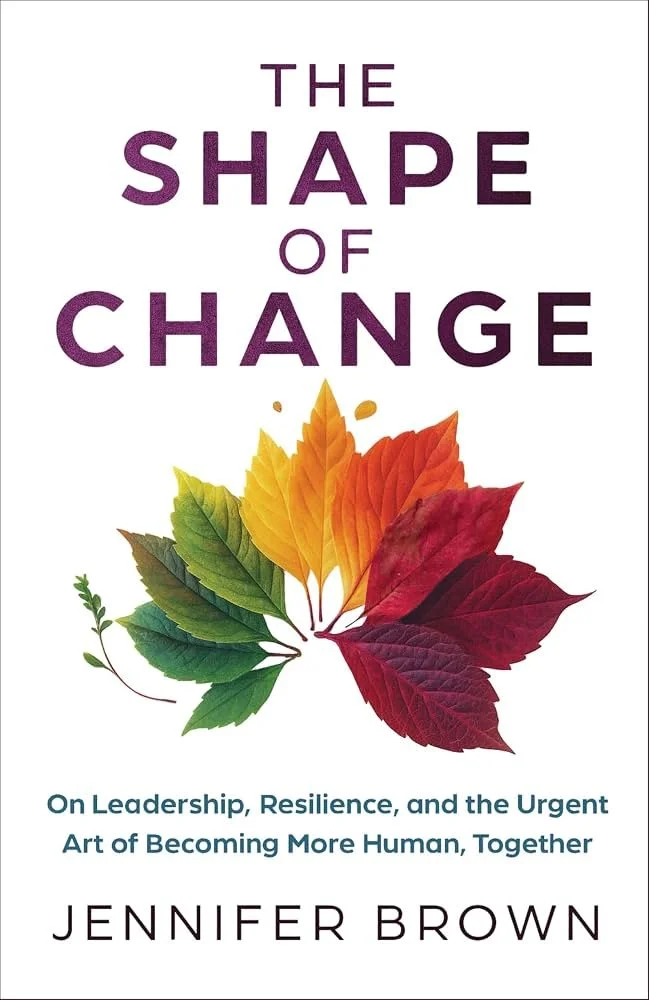
Jennifer is the author of four books, including How to Be an Inclusive Leader and her 2026 release, The Shape of Change: On Leadership, Resilience, and the Urgent Art of Becoming More Human, Together. Featured in The Wall Street Journal, Harvard Business Review, and Fast Company, she is also the host of The Will to Change podcast and a Founding Luminary for Coqual's Luminary Exchange. Learn more at www.jenniferbrownspeaks.com.
-
Jennifer Brown is a bestselling author, speaker, entrepreneur, and leadership thinker whose work explores how individuals, organizations, and institutions adapt in times of profound change. For more than two decades, she has advised executives at some of the world's most influential organizations on workplace culture, talent, inclusive leadership, and systemic transformation.
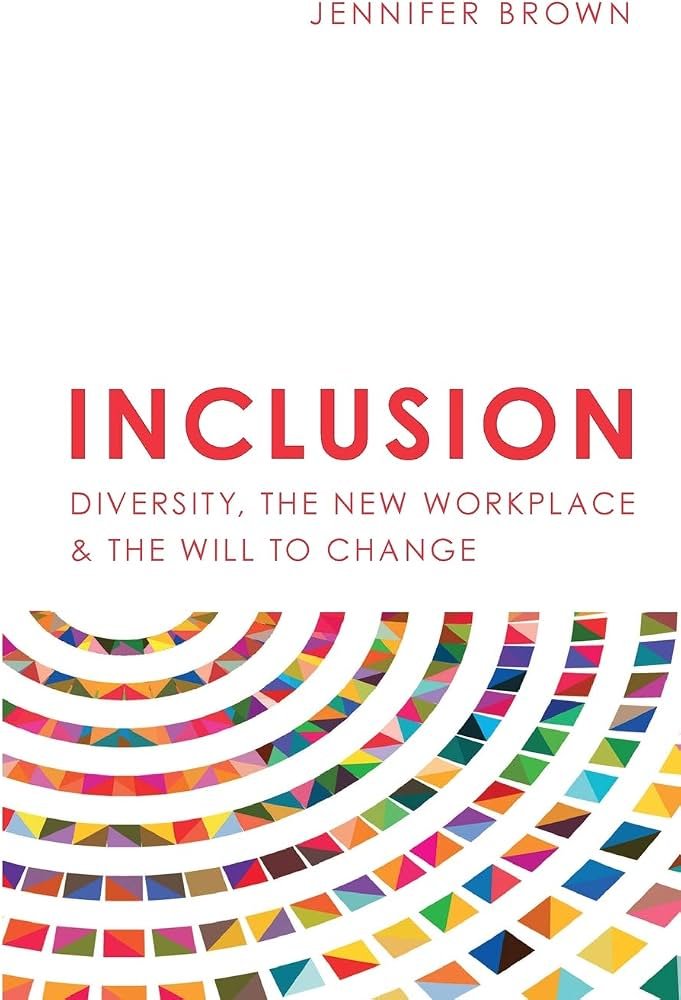
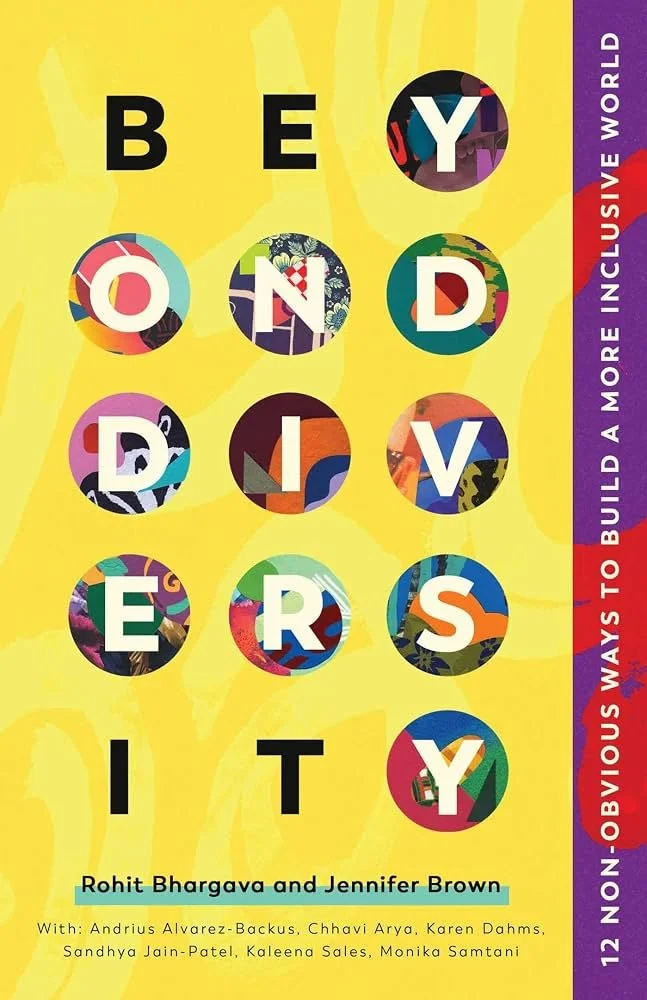
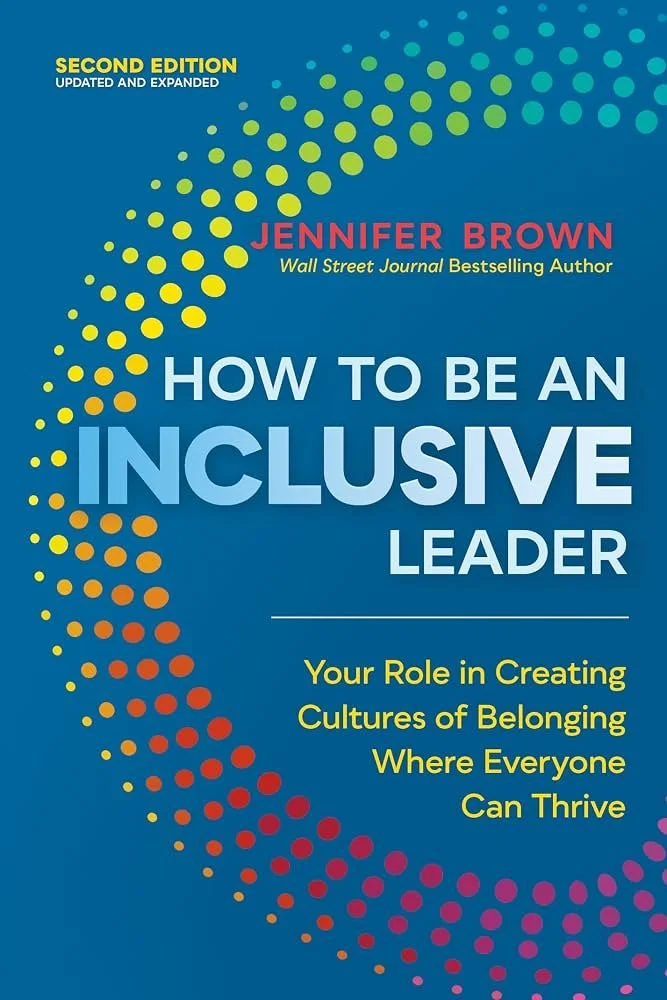
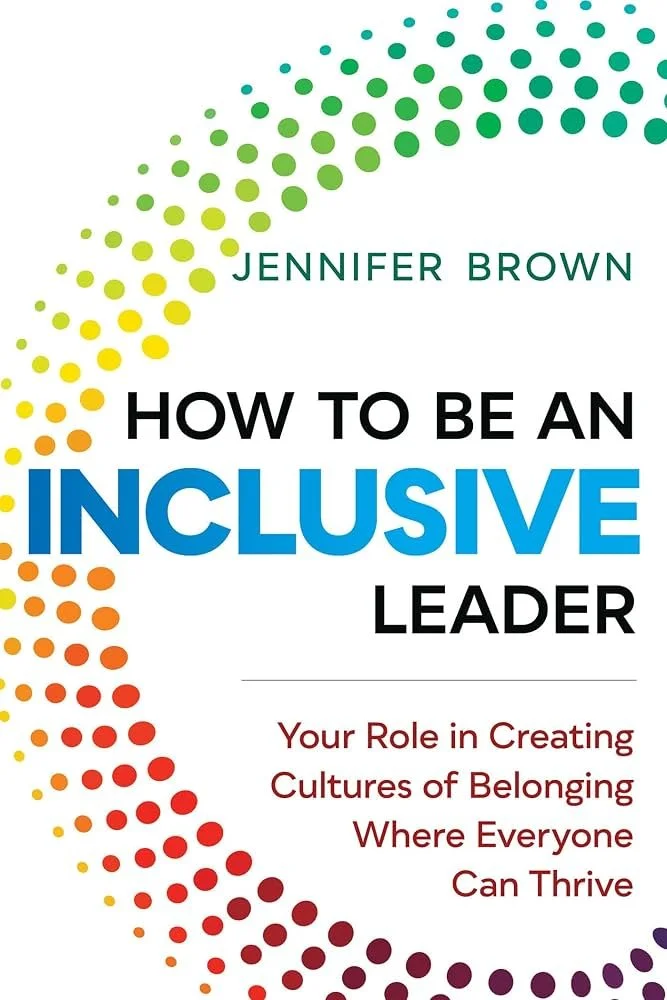
She is the author of four influential books, including Inclusion, How to Be an Inclusive Leader (now in its second edition), Beyond Diversity, and her 2026 release, The Shape of Change: On Leadership, Resilience, and the Urgent Art of Becoming More Human, Together. Her writing and advisory work center on organizational resilience, workforce evolution, and the human dimensions of leadership in an era of accelerating disruption.
As a sought-after keynote speaker and strategic advisor, Jennifer has partnered with global corporations including Google, LinkedIn, IBM, and Toyota, as well as leading academic institutions such as Columbia, Kellogg, and Vanderbilt. Her insights have been featured in The Wall Street Journal, Harvard Business Review, and Fast Company, and she regularly addresses major global stages.
Jennifer is also the host of The Will to Change podcast, a long-running conversation series featuring nearly 400 interviews with prominent thinkers, executives, researchers, and changemakers. Additionally, she serves as a Founding Luminary for Coqual's Luminary Exchange, a global community examining the future of work, leadership, technology, and society.
To learn more about Jennifer and her work, visit www.jenniferbrownspeaks.com.
TAGS & EXPERTISE
Leadership • Human Development• Thought Leadership • Future of Work • Change Management
SPEAKING TOPICS
-
Here's what I keep telling CHROs: your title hasn't caught up to your job. You're already the human strategy office, you just lack the language or the seat to prove it. I'll walk through how to name what you're already holding: identity, belonging, trust, even AI ethics — so the business stops treating it as a "nice to have."
-
Increasingly, someone's whole experience of your company (how they're screened, nudged, scored) happens before a human ever looks them in the eye. I'm not here to admire the technology. I'm here to ask: who stays human enough to lead inside that stack? We'll talk about reclaiming moral responsibility from "the system."
-
Lessons from the evolution of DEI into leadership agility.
-
Nobody has a five-year plan they actually believe right now, and I think it's time we admit that out loud. This is permission to stop faking certainty and a script for saying "I don't know" in a way that builds trust instead of eroding it.
-
What leaders can do to stay human in times of disruption.
FEATURED BOOKS
FEATURED VIDEOS
Testimonials